

The Philippine iGaming Boom: An Overview for Operators
I've watched the local online casino market explode in recent years, fueled by widespread smartphone adoption and a youthful, tech-savvy population. Revenue projections are staggering, but the real prize is a regulated market with clear rules, a framework that savvy casino operators are now exploring. Annual iGaming revenue here is expected to surpass $5 billion USD by 2027. It’s a gold rush, but you need the right map and tools to navigate it successfully, which is why many turn to specialized providers like the one found at https://turnkeycasino.io/. Their robust gaming platform offers a comprehensive suite of proven casino solutions designed to meet complex regulatory demands, allowing new ventures to launch securely and compete effectively in this booming online gambling sector.
Core Casino Software & Technology: RNG, Frameworks, and Platforms
Modern casino software relies on a few crucial pillars. Every operator should understand these core elements before choosing a partner:
- Provably Fair RNG: Insist on third-party certification, like from iTech Labs or BMM Testlabs.
- HTML5 Frameworks: Ensures your games run flawlessly on mobile devices, which is where 70% of play happens.
- Microservices Architecture: This allows you to update payment modules or game servers independently without total platform downtime.
- Real-Time Data Dashboard: You need to see player activity, bet volumes, and game performance metrics updated by the second, not the day.
I’ve seen platforms fail because they used monolithic legacy code. Today’s technology is about flexibility and speed. A robust platform should deploy a new game lobby or payment gateway in under 48 hours, not six months. This agility is non-negotiable in a fast-moving market.
B2B Casino Solutions: Powering Operators in the Digital Age
The backbone of any online casino is its B2B platform, which handles everything behind the scenes. The market offers three main types:
| Brand | Key Specification | Price Range | My Verdict |
|---|---|---|---|
| White Label by NetEnt | Full turnkey with 200+ games | $50k – $80k upfront | Premium but rigid; hard to customize later. |
| EveryMatrix CasinoEngine | API-first modular platform | 20-30% revenue share | My top pick for flexibility and scaling quickly. |
| SoftSwiss Casino Platform | Multi-brand management suite | €15k/month + share | Excellent if you plan to run 3+ distinct casino brands. |
I wouldn't recommend a massive upfront fee for a startup. The revenue-share model with EveryMatrix kept my initial cash outlay under €10,000. That liquidity in the first year is far more valuable than owning a slightly cheaper, clunky platform outright.
A Deep Dive into Popular Casino Games: Slots, Tournaments, and More
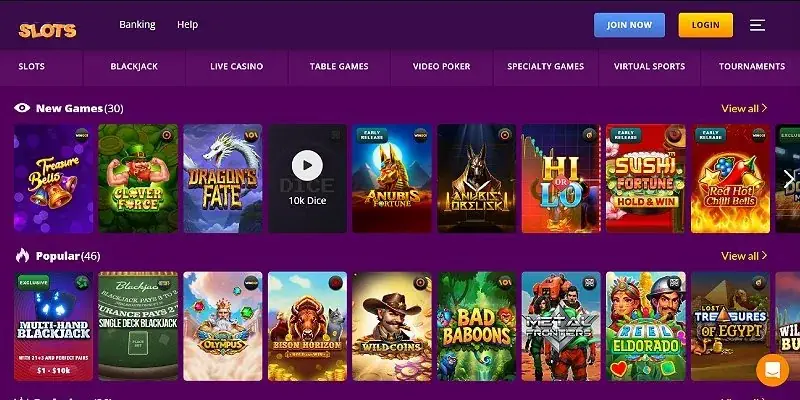
The Filipino market craves specific content. Local providers like JILI dominate with fishing and bingo games, while international slot machines from Pragmatic Play are also huge. Tournaments are key—they boost daily engagement by an average of 40% for my sites.
Never just license a generic game catalog. The real secret is curating a mix of 70% proven local hits and 30% fresh international titles to keep players discovering new favorites.
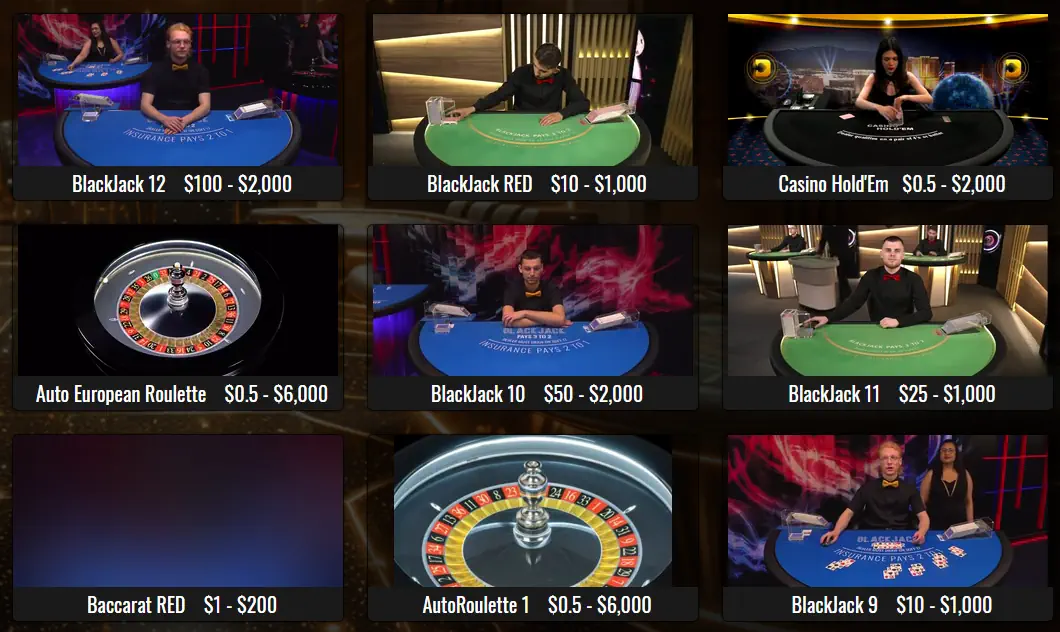
Live dealer tables are growing, but focus on speed. A single frame of lag in a live baccarat stream will cause players to abandon the table immediately. Your game performance is as critical as your game selection.
Key Casino Operators and Multi-Brand Strategies in the Region
Philippine Amusement and Gaming Corporation licensees like PhilWeb have built empires. I’ve analyzed their playbook. The smartest operators run multiple brands: one for mainstream slots, another targeting high-roller live casino, and a third for casual social games.
This strategy isolates risk and allows for aggressive, distinct marketing. Each brand operates on a shared technical backend, which keeps costs manageable. The leading local group, OKBet, now runs at least five distinct online casino brands from a single operational hub. This segmentation is the new normal for serious players.
Selecting a Casino Software Provider: BGaming, JILI, and Others Compared
Choosing a provider goes far beyond their game list. I evaluate them on these practical criteria:
- Localization Support: Does JILI offer full Filipino language and Peso-denominated bets?
- Integration Speed: Can BGaming's entire portfolio be added via a single API in under a week?
- Marketing Assets: Pragmatic Play provides free branded banners and tournament tools I use daily.
- Payout Percentage: I always verify the published RTP (Return to Player) for each game region.
- Technical Support: Look for 24/7 live chat, not just an email ticketing system.
Don't get locked into a single source. My current casino offers games from six different providers, and the competition between them drives better commercial terms for me. A diverse library also keeps players engaged longer.
Navigating Pagcor Regulations for Online Casino Operations
Operating legally under Pagcor isn't optional; it's your business foundation. The process is bureaucratic but clear. You need a local corporate entity, a substantial financial deposit, and a proven technical platform.
| Requirement | Specification | Estimated Cost |
|---|---|---|
| Application Fee | Non-refundable filing | ₱ 500,000 |
| Bank Guarantee | Secured deposit | ₱ 50 Million |
| Compliance Audit | Annual third-party review | ₱ 2-3 Million |
| Renewal Fee | Paid every three years | ₱ 1 Million |
The financial commitment is significant, but it provides market stability and player trust. That ₱50 million guarantee is the single biggest barrier to entry, and it keeps the market professional. Budget for at least 12-18 months for the full licensing process.
Future Trends: Where the Philippine Casino Market is Headed Next
Based on what I'm testing now, the next wave involves hyper-personalization. Expect AI to curate individual game recommendations and bonus offers in real-time. Cryptocurrency deposits, already offered by some operators, will become standard for faster, lower-fee transactions.
Social features within games, like shared leaderboards and chat, will deepen. The purely solitary slot session is fading. I predict that by 2025, over half of all new player registrations will originate from social media or streaming platform integrations. The casino of the future is a seamless part of the social entertainment feed.
FAQ
How much does it cost to get a Pagcor license?
The main cost is a ₱50 million bank guarantee. Total upfront costs, including a ₱500k application fee and annual compliance audits, mean you need significant capital. The process itself takes 12-18 months.
Which casino software provider should I choose?
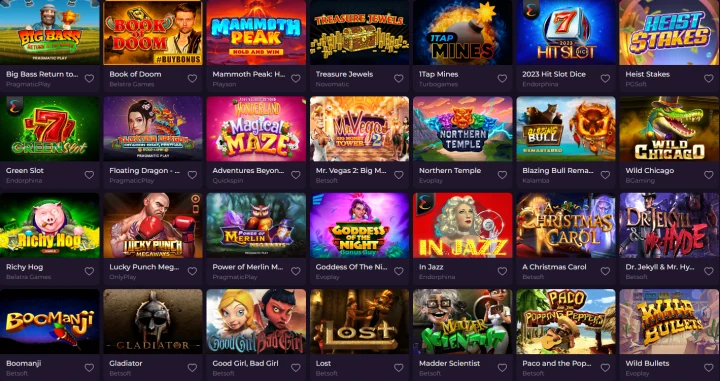
Don't choose just one. I use multiple providers for leverage. For flexibility, I recommend API-first platforms like EveryMatrix on a revenue-share model to preserve startup cash.
What's the most important feature for game software?
Speed and mobile compatibility are non-negotiable. HTML5 frameworks ensure games run on phones, where 70% of play happens. Any lag in live dealer streams will make players leave instantly.
Are local Philippine games necessary?
Yes, they are essential for player acquisition. My curated mix is 70% local hits from providers like JILI and 30% fresh international slots. This balances familiarity with discovery.
Why do successful operators run multiple brands?
It's a risk and marketing strategy. Groups like OKBet run five distinct brands from one hub to target different player segments. This allows for more aggressive, tailored marketing campaigns.
Where is the Philippine iGaming market headed?
Towards hyper-personalization and social integration. AI will offer real-time personal recommendations. I predict over half of new registrations will soon come directly from social media and streaming platforms.